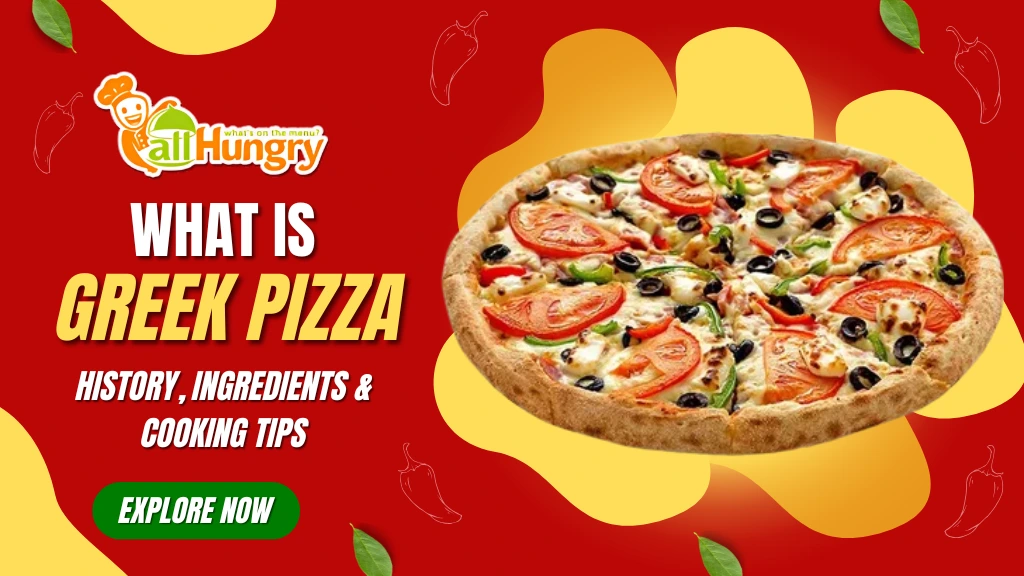
Beyond Italy: Uncovering the Rich History of Authentic Greek Pizza
When the word "pizza" is uttered, most minds immediately conjure images of Neapolitan margherita or New York-style pepperoni. Italy's culinary icon has indeed conquered the world, but to limit pizza's narrative solely to Italian shores would be to overlook a vibrant and equally compelling chapter from another Mediterranean marvel: Greece. Far from being a mere imitation, authentic
greek pizza offers a unique historical lineage, distinct flavors, and an unparalleled culinary experience that deserves its own spotlight. It's a testament to Greece's rich gastronomic heritage, shaped by centuries of cultural exchange and a deep appreciation for fresh, aromatic ingredients.
The Hellenic Hearth: A Culinary Journey Through Greek Flavors
Greece, a land bathed in sun and history, is a crossroads of civilizations. Its cuisine is a captivating tapestry woven from indigenous traditions, ancient empires, and a profound influence from the Ottoman era. This intricate past has gifted Greek food with a depth of flavor that distinguishes it even within the broader Mediterranean spectrum. Imagine strolling through sun-drenched Greek villages, where the air is thick with the scent of olive groves, citrus trees heavy with oranges and lemons, and wild herbs growing freely. It’s this sensory landscape that forms the foundation of Greek cooking.
The Greek culinary identity is built on freshness and powerful aromatics. Herbs like wild oregano, refreshing mint, verdant dill, and fragrant bay laurel are staples, often used generously alongside an abundance of garlic. These aren't just subtle accents; they are foundational to the vibrant taste profile of Greek dishes, making them undeniably robust and memorable. From shared delicacies like baklava and tzatziki to hearty moussaka and savory dolmades, Greek cuisine offers a fascinating blend of familiar and distinct. It's a cuisine that prioritizes quality ingredients, simple preparations, and flavors that speak of sun, sea, and fertile earth. It’s within this context that we can truly appreciate the evolution of
greek pizza.
Peinirli: The Ancestral Boat-Shaped Greek Pizza
One of the most authentic and historically significant forms of
greek pizza is the Peinirli (sometimes spelled Peynirli). This traditional dish isn't an adaptation of Italian pizza; rather, it boasts a distinct lineage brought to Greece almost a century ago by Greeks who hailed from the Black Sea region of Anatolia. This geographical origin is key, as it explains its unique characteristics, which diverge significantly from its Italian cousin.
Unlike the typically thin and crispy base of Italian pizza, Peinirli demands a fluffier, thicker dough. This substantial foundation is crucial, not just for its satisfying texture but also for its structural integrity, designed to cradle a generous filling. The most striking feature of Peinirli is its signature boat shape: an open-top vessel with artfully folded ends that rise to contain the molten goodness within. The ingredients melt deliciously in the middle, creating a pocket of savory delight.
Traditionally, Peinirli is celebrated for its simplicity and the quality of its core components. The star cheese is often Kasseri, a distinctive Greek cheese known for its salty, soft yet chewy texture, and its delightful stringiness rather than crumbliness when heated. Crucially, traditional Peinirli often foregoes tomato sauce entirely. Instead, the focus is on the rich flavors of the cheese, often enhanced by a drizzle of olive oil, a sprinkle of herbs, or other savory additions. Toppings can range from humble ham and cheese combinations to perfectly fried eggs, or even richly spiced mince meats. Each bite of Peinirli offers a taste of history, a direct link to the culinary traditions of the Black Sea Greeks, and a compelling argument for its place in the global pizza pantheon.
If you're eager to delve deeper into this incredible dish, explore our detailed guide:
Peinirli: The Boat-Shaped Greek Pizza Redefining Your Slice.
Modern Interpretations: The Naan Greek Pizza Revolution
While Peinirli represents the historical roots of
greek pizza, the culinary landscape is constantly evolving, giving rise to exciting modern interpretations that capture the essence of Greek flavors in new and accessible ways. One such innovation that has gained significant popularity is the Naan Greek Pizza. This delightful creation marries the soft, chewy texture of naan bread with a vibrant medley of classic Greek ingredients, offering a simple yet gourmet experience that's perfect for a weeknight dinner or a casual gathering.
The genius of Naan Greek Pizza lies in its convenience and its brilliant flavor profile. Imagine tender, seasoned chicken, juicy ripe tomatoes, creamy crumbles of feta cheese, briny Kalamata olives, all brought together by the distinctive tang and freshness of homemade tzatziki sauce. The naan bread provides an excellent, readily available base – its slightly enriched dough, often including yogurt and eggs, bakes up beautifully, offering a softness that contrasts wonderfully with the toppings. This differs from a leaner pita bread, which while delicious, offers a different textural experience.
What makes this modern
greek pizza so appealing is its incredible customizability. Whether you're dealing with picky eaters (olives on the side, please!) or catering to different dietary preferences, you can easily adapt the toppings to suit every taste. It's a fantastic way to introduce kids to cooking, allowing them to participate in assembling their own personalized pizzas. The concept arose from a simple craving for something beyond the usual Friday night pizza, sparking a desire for that unique Greek flavor profile – a desire easily satisfied with common kitchen staples and a homemade tzatziki.
For a deeper dive into making this easy gourmet pizza, check out our guide:
Naan Greek Pizza: Easy Gourmet Flavor with Tzatziki & Feta.
Crafting Your Own Greek Pizza Masterpiece: Tips and Ingredients
Whether you're attempting the traditional Peinirli or whipping up a quick Naan Greek Pizza, a few key elements will elevate your creation to an authentic Greek culinary experience.
Essential Greek Seasoning
The heart of
greek pizza, like all Greek cuisine, lies in its distinctive seasoning. While pre-made blends are available, crafting your own ensures freshness and allows for customization. A typical homemade Greek seasoning blend includes:
- Mediterranean Oregano: The cornerstone, offering an earthy, slightly peppery aroma.
- Garlic Powder & Onion Powder: For foundational savory notes.
- Dill & Parsley: Adding herbaceous freshness.
- Marjoram & Thyme: Contributing to the overall aromatic complexity.
- Optional additions include a pinch of cinnamon or nutmeg for warmth, especially with lamb or beef toppings, along with salt and freshly ground black pepper to taste.
Mix these dried herbs and spices in a small bowl, and store in an airtight container. Use generously on meats, vegetables, and even sprinkle into your dough.
Choosing Your Cheese
For Peinirli, seek out
Kasseri cheese for its authentic flavor and texture. If unavailable, a blend of mild feta (less salty) and provolone or mozzarella can offer a similar melt and stretch, though the flavor will be different. For Naan Greek Pizza, crumbled
feta cheese is essential for its tangy, creamy bite. You can also add some shredded mozzarella for extra melt.
Topping Beyond the Basics
While ham and cheese or chicken and feta are delicious, consider these authentic and gourmet additions:
- Roasted Red Peppers: Sweet and smoky, they add a vibrant color and flavor.
- Sun-dried Tomatoes: Intensify the umami notes.
- Spinach & Artichoke Hearts: Sautéed spinach or marinated artichoke hearts bring a lovely earthiness.
- Gyro Meat or Lamb: For a hearty, authentic flavor profile.
- Olives: Kalamata olives are a must for their briny, rich flavor.
- Fresh Herbs: A sprinkle of fresh oregano, dill, or mint after baking brightens the flavors.
The Magic of Tzatziki
Homemade tzatziki is surprisingly easy and far superior to store-bought. Grated cucumber (squeezed dry), thick Greek yogurt, fresh garlic, a drizzle of olive oil, and a touch of dill and white wine vinegar create a creamy, refreshing sauce that is non-negotiable for a truly authentic Naan Greek Pizza experience.
Baking Tips
*
For Peinirli: Ensure your dough has had ample time to rise, creating that signature fluffy base. Don't overload the "boat" to prevent spillage. Bake at a higher temperature to get a lovely golden crust while melting the cheese.
*
For Naan Greek Pizza: Preheat your oven and baking sheet or pizza stone. This ensures a crispier bottom on your naan. Don't bake the tzatziki; add it *after* the pizza comes out of the oven for maximum freshness and flavor.
Conclusion
The world of pizza is far grander than a single country's dominion.
Greek pizza, in its diverse forms from the historic boat-shaped Peinirli to the modern Naan-based variations, stands as a delicious testament to Greece's rich culinary heritage and its knack for vibrant, unforgettable flavors. It's a cuisine that embraces fresh ingredients, aromatic herbs, and a history steeped in cross-cultural influence. So, the next time you crave a slice, dare to venture beyond the conventional. Explore the authentic tastes of Greece, and let its unique pizzas transport you to the sun-drenched shores of the Aegean. You might just discover your new favorite slice.